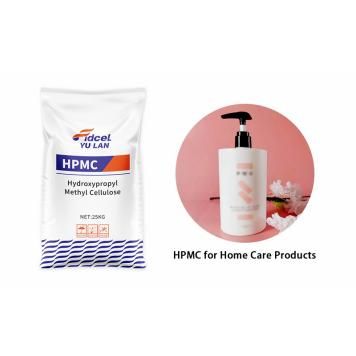
In recent years, the global market for pharmaceutical excipients has witnessed significant growth, with an increasing demand for functional ingredients that can improve the performance and efficacy of pharmaceutical formulations. One such ingredient that has gained traction in the industry is Hydroxypropyl Cellulose, a versatile polymer that is widely used in the production of pharmaceutical products.Hydroxypropyl Cellulose, also known as HPC, is a water-soluble polymer derived from cellulose, a natural polymer found in plants. It is primarily used as a thickening agent, stabilizer, and film-forming agent in various pharmaceutical formulations. Due to its unique properties, HPC is widely utilized in the production of solid oral dosage forms, including tablets, capsules, and granules.One of the key benefits of using Hydroxypropyl Cellulose in pharmaceutical formulations is its ability to improve the disintegration and dissolution of active pharmaceutical ingredients (APIs). When used as a binder in tablet formulations, HPC can promote rapid disintegration, allowing the drug to release quickly and be absorbed more effectively in the body. This can lead to improved bioavailability and therapeutic efficacy of the drug.In addition to its disintegration-enhancing properties, Hydroxypropyl Cellulose also acts as a binder, creating a cohesive and robust matrix in tablet formulations. This is particularly important in the production of high-dose and combination drugs, where the uniform distribution of APIs is crucial for ensuring dose accuracy and consistency.Moreover, Hydroxypropyl Cellulose exhibits excellent compatibility with a wide range of active pharmaceutical ingredients, making it a versatile excipient for formulators. Its inert nature and low reactivity make it suitable for use in sensitive formulations, including those containing reactive or unstable APIs.As the demand for innovative and high-performance pharmaceutical formulations continues to grow, the market for Hydroxypropyl Cellulose is expected to expand significantly. Several key players in the pharmaceutical excipients industry, including {}, have recognized the potential of HPC and have invested in research and development to further enhance its functionality and applications.{} is a leading supplier of pharmaceutical excipients, with a strong focus on innovation and product development. The company's extensive portfolio of excipients includes a range of functional polymers, binders, disintegrants, and other specialty ingredients that are essential for the formulation of high-quality pharmaceutical products.With a deep understanding of the challenges and opportunities in the pharmaceutical industry, {} has been at the forefront of developing advanced excipients that meet the evolving needs of formulators and drug manufacturers. The company's commitment to quality, safety, and performance has earned it a reputation as a trusted partner for pharmaceutical companies worldwide.In line with its dedication to innovation, {} has been actively involved in the research and development of Hydroxypropyl Cellulose, leveraging its expertise in polymer science and formulation technology. By exploring new applications and formulations for HPC, the company aims to unlock its full potential as a multifunctional excipient that can address the complex challenges of modern pharmaceutical formulations.In conclusion, Hydroxypropyl Cellulose is a valuable and versatile excipient that plays a critical role in the development of high-performance pharmaceutical formulations. With its unique properties and functionality, HPC has the potential to drive innovation and improve the quality and efficacy of pharmaceutical products. As the demand for advanced drug delivery systems and dosage forms continues to rise, the market for Hydroxypropyl Cellulose is expected to experience robust growth, offering exciting opportunities for companies like {} to lead the way in shaping the future of pharmaceutical excipients.
Read More